
performative independence
when the greatest act has been letting go

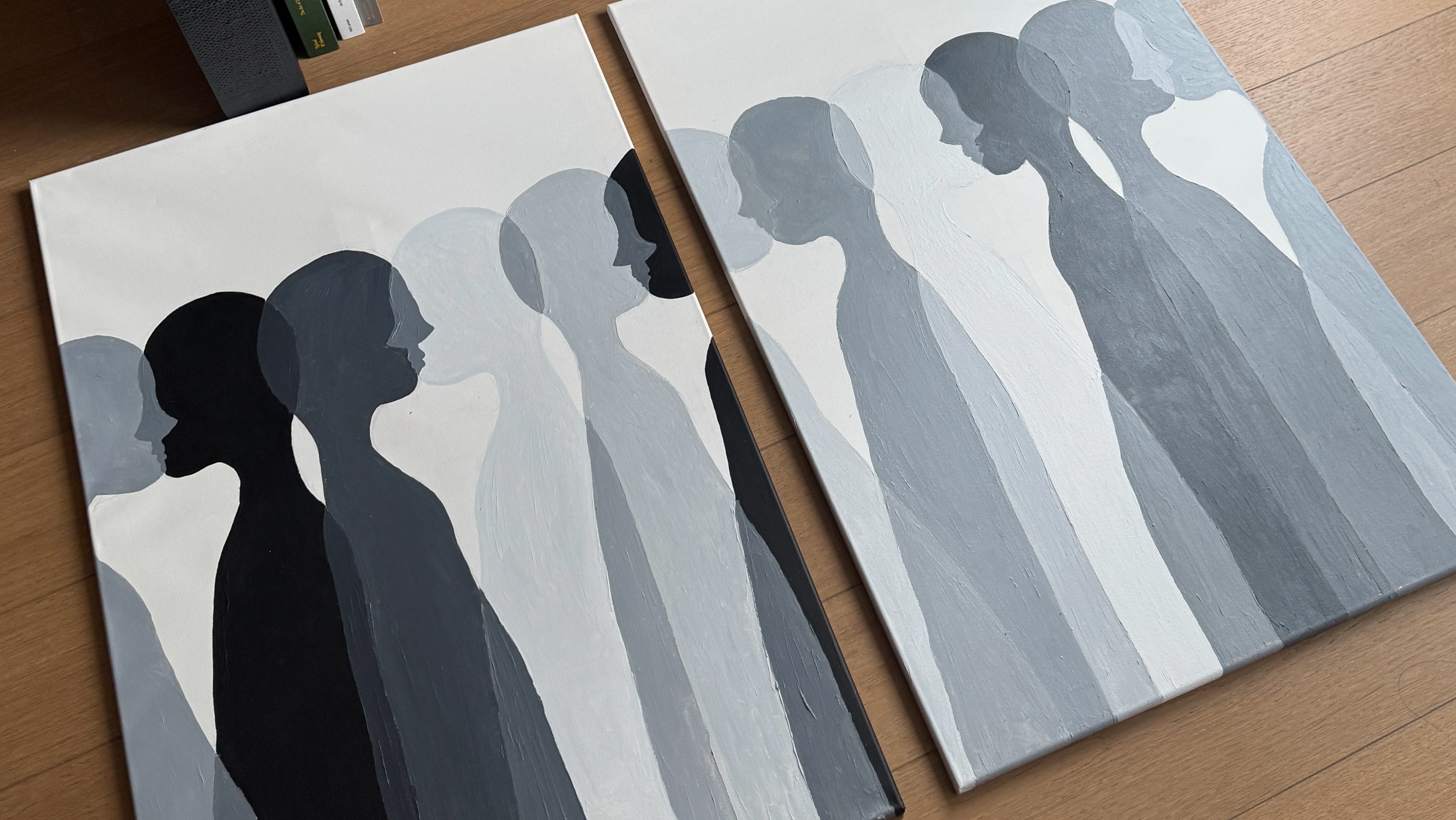
People have always praised me for being strong.
For the most part, I called it independence. But it was also dressing up my loneliness in language that sounded like a choice.
I think it starts early. When you’re the eldest, you learn to be responsible before you’re ready. You’re reminded to set an example, to take care of others before you learn to take care of yourself. You learn that love is earned by being good, reliable, strong. You become the one your parents worry about less, the one younger siblings lean on. So you learn not to lean back.
And then maybe a relationship confirms it. You trusted someone, let your guard down, and they left. So you closed up again.
Work fortifies the narrative. As a founder, you wear whatever hats are needed to show up for your team, your customers, yourself.
And then you moved. You rebuilt your life in a new city, made new friends, found your footing. And did it again. New York, San Francisco, London, Zurich, Dubai. Each time you got better at starting over. Each time you needed people a little less.
After enough rebuilds, you stop expecting anyone to stay. You keep your walls up and one foot out the door. You tell yourself everyone has an expiry date. But really, you’ve just been disappointed enough times that you’ve stopped letting yourself need anyone at all.
Freedom is real even when it’s lonely, and independence is a gift even when it’s heavy.
I’ve learned that performative independence was an attempt to protect myself from being let down again.
When you don’t ask for help, that’s not capability, but fear. When you do everything yourself because you don’t trust anyone to stick around, that’s not independence, but loneliness.
The worst part is it pushes away the very thing you want. You say you want a partner but you don’t let anyone in. You want love but you keep proving you don’t need it.
The independence isn’t a bug. It’s a feature of the path I chose, and knowing I can handle anything keeps me grounded. But there’s a cost. You become your own anchor, always. The walls you built to protect yourself become the walls that keep love out. You get so good at not needing anyone that when someone finally shows up, you don’t know how to let them stay.
The thing is, you can change this. It just takes a shift in perspective.
They say love is a choice. They also say the greatest act of love is letting go. I think the secret is knowing when to do which.
In my early 20s, I chose to build a company and let go of a stable tech career. I chose to follow my curiosity across continents and let go of building a stable home. I chose to hyperfocus on my work and let go of dating as a priority.
That meant watching friends get promoted, get married, have kids… while I still felt lost and, honestly, like a failure sometimes.
But letting go of something doesn’t mean it’s gone forever. It just means not yet. And I’m learning that “not yet” isn’t the same as “too late.”
I’ve found confidence in my own timeline. Not because everything’s figured out, but because I trust myself to receive the things I want when I’m actually ready for them. Retrospectively, everything works out.
That said, I love this little life of mine.
I’ve built things from nothing, lived in cities most people only visit, made lifelong friendships everywhere, worked on problems that matter.
And there’s something I don’t want to overlook: I’ve learned to sit with hard things without running from them. To hold my own hand through uncertainty and come out the other side with clarity. Journaling, walking, writing — it’s given me a relationship with myself that a lot of people never build.
That’s a strength I’m grateful for, even as I’m learning to let others in too.
some reminders from my 2025 retro I keep coming back to:
You can be proud of yourself and still want more
You can be grateful for your career and still feel overwhelmed
You can love your job deeply and still feel exhausted sometimes
You don’t owe anyone an explanation for how hard you work
Having freedom doesn’t mean having balance — it just means you get to choose what you’re imbalanced for
You don’t have to earn love by being useful
You don’t have to be strong to be worthy
You can be lonely and still be doing everything right
You can want more and still be grateful for what you have
You can admit it’s hard without meaning you chose wrong